Why Do Dodgers Pregame Previews Mention Odds Movement at All?
Baseball fans reading Dodgers pregame previews often notice an element that might seem out of place at first glance: references to odds movement, particularly those sourced from platforms like Oddstrader. From casual observers to die-hard fans, the inclusion of real-time offshore odds data alongside traditional game analysis can raise questions. Why include this market-driven information in a baseball preview? What insights does it add, and is it just for bettors?
This post dives deep into why pregame previews for the Dodgers mention odds movement, how tools like Oddstrader amplify market reaction to news (such as player availability), and why this aligns intricately with baseball nuances such as confirmed vs probable starters, starter pitch counts, lineup construction, and handedness/platoon splits. We’ll also clarify a common misconception related to ticket and betting line pricing often seen when text is scraped without context.
Understanding Odds Movement: More Than Just Betting Lines
First, it's important to distinguish between the odds movement referenced in these previews and actual ticket prices or betting products. If you've encountered scraped text featuring odds data without understanding context, you might confuse these numbers with ticket costs or static betting lines. However, the odds discussed in Dodgers pregame previews are dynamic market indicators of how betting markets react to the latest news and game factors.
Oddstrader is one of the premier platforms providing real-time offshore odds updates across sports, including MLB. In simple terms, it reports how betting markets move based on information such as:
- Confirmed starting pitcher announcements
- Player injury updates
- Late lineup changes
- Weather conditions and ballpark factors
These fluctuations help analysts and fans gauge the market’s collective expectations. For example, if news breaks that the Dodgers' ace is confirmed to start versus a probable but uncertain starter, betting odds will shift to reflect the improved or diminished winning probability.
Confirmed Starter vs Probable Starter: The Weight of Certainty
A key theme in tracking odds movement is the difference between a confirmed starter and a probable one. Early announcements or coach media sessions often provide a "probable" pitcher who might be on the mound, but until the team confirms, bettors and market movers price the uncertainty.
Why Does This Matter for Odds?
When a starter is confirmed, especially for a Dodgers game where pitching depth plays a major role, it reduces ambiguity. This certainty can cause sharp market reactions reflected in odds movement.
Scenario Market Reaction Impact on Dodgers Pregame Preview Probable starter only Odds may be wider, reflecting risk Preview hedges analysis: "likely" vs "confirmed" Starter officially confirmed Odds tighten; market confidence rises Preview can confidently assess pitcher matchupFor example, if Dodger Stadium news hints that Julio Urias will start, the market adjusts. But if Urias is unconfirmed and Tony Gonsolin remains a possibility, odds can fluctuate until the official posting. Pregame previews referencing odds movement from Oddstrader capture this nuance.

Starter Workload and Pitch Count Context: More Than Just the Name
Another layer tying odds movement to pregame previews is the starter’s recent workload and pitch count. Baseball insiders track pitch counts and rest days closely because a pitcher coming off a heavy workload is often less effective or more susceptible to injury.
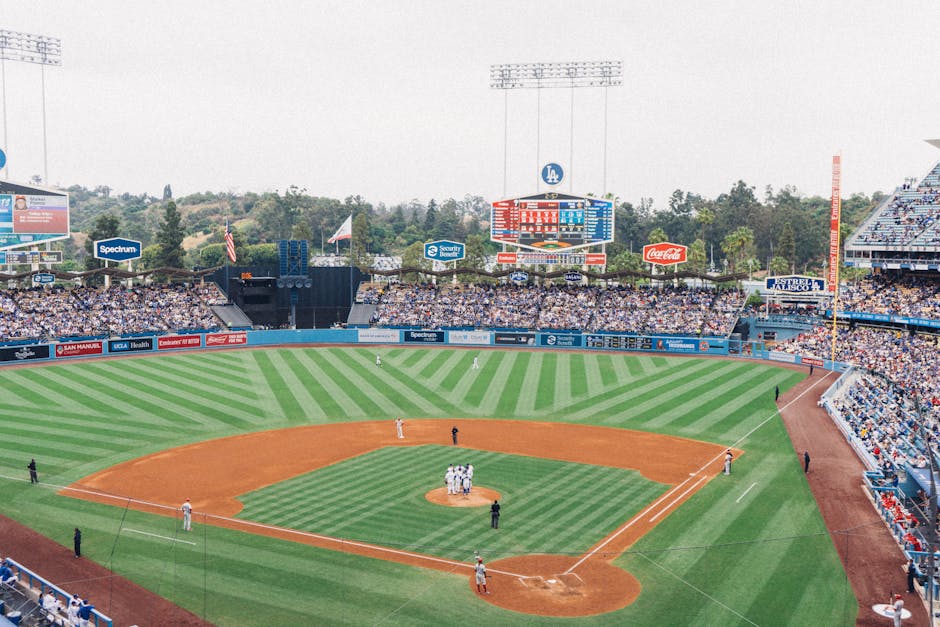
When information about workload or a pitcher's last game surfaces close to game time, market odds react accordingly. This can be reflected in shifting moneylines or run lines on Oddstrader, which pregame writers spotlight to indicate changing game expectations.
Consider following recent pitch counts and days of rest:
- If Urias threw 110 pitches in his last start and only had 4 days of rest instead of 5, bettors may bet against the Dodgers more, causing odds to shift.
- Conversely, if a Dodgers starter like Clayton Kershaw is fully rested with a typical mid-90s pitch count on prior outings, markets gain confidence.
Lineup Construction and Rest Days: Offense Meets Analytics
MLB.com and team media sources often release lineup construction details close to game time. Oddstrader and similar platforms incorporate this info into live market pricing:
- Rest days: Players rested in the last game or recently might have higher performance expectations.
- Late lineup changes: If star players (e.g., Mookie Betts or Freddie Freeman) sit unexpectedly or return from rest, odds move swiftly.
- Platoon adjustments: Managers modify lineups based on pitcher handedness, affecting expected offense.
For example, MLB.com recently confirmed that Shohei Ohtani is expected back in the lineup on September 23. Such news causes a tangible market reaction because adding a star hitter or pitcher impacts win probabilities. Dodgers previews citing these odds movements help explain how this impacts game expectations.
Platoon Splits and Handedness: Matchup Nuances Drive Market Pricing
The Dodgers and opposing teams employ platoon strategies — selecting batters suited to the pitcher’s handedness to maximize offensive firepower. This is a standard but subtle chess match in baseball that oddsmakers and bettors watch closely.
For example, Dodger previews mention odds movement reflective of how the lineup matches up against the opposing starter’s throwing arm:
- Lefty-on-righty matchups generally favor hitters, so adding a right-handed power bat against a lefty starter can cause odds to shift.
- Late lineup adjustments to exploit platoon splits can improve the Dodgers' win probability, reflected in odd changes on Oddstrader.
- If Dodger management removes a struggling right-handed hitter against a tough lefty, odds might move against them.
Market Reaction to News: Real-Time Adjustments Capture the Pulse
In baseball, news breaks rapidly — injuries, weather forecasts, lineup confirmations, and bullpen usage. Oddstrader captures these changes in real time, supplying a proxy for how confident or uncertain the market feels about the Dodgers’ chances.
Pregame previews referencing this odds movement are communicating more than just gambling lines; they show how the collective intelligence of bettors responds to unfolding information. This is valuable for fans and analysts to understand game dynamics beyond basic stats or traditional news.
Common Misconception: No Ticket Prices or Betting Product Pricing Here
A frequent confusion arises when scraped text containing odds movement is interpreted as containing ticket pricing or direct betting lines/prices. This is not the case. The pregame previews:
- Do not list ticket prices or provide storefront options.
- Do not include static betting lines or promotional odds.
- Focus on odds movement reflecting market consensus shifts caused by live news and strategic changes.
Therefore, readers should view odds movement references as a lens into the game's evolving probabilities, not a pricing guide for tickets team run differential or betting products.
Summary: Why Odds Movement Enhances Dodgers Pregame Previews
- Captures Market Reaction: Real-time odds from Oddstrader show how the betting world digests news like confirmed starters and lineup changes.
- Reflects Baseball Nuances: Workload, pitch counts, handedness, and platoon splits are translated into quantitative odds shifts.
- Provides Context for Fans: Odds movement aids understanding of how the game’s outlook shifts minute-by-minute beyond basic stats.
- Does Not Confuse Ticket or Betting Prices: Odds movement is a probability measure, not a commercial price list.
Incorporating odds movement in Dodgers pregame previews enriches the analysis by combining traditional baseball knowledge with market sentiment insights. This helps readers appreciate the full scope of the game’s dynamic environment — from confirmed starters like Urias or Gonsolin to lineup tweaks that incorporate stars like Ohtani returning September 23.
Ultimately, if you want complete insight into the Dodgers’ matchup, the subtle dance of pitching, hitting, rest, and handedness intertwined with market reactions offers a unique perspective beyond the box score — and that’s why odds movement deserves its spot in pregame previews.