What Should I Look for on a Medicine Page Describing Pastilles?
Pastilles are a popular form of medicinal delivery, especially when dealing with controlled substances that require prescription-only access and precise dosing. Whether you’re reading about cannabis-derived pastilles, other herbal extracts, or pharmaceutical pastilles, the way the medicine page presents information directly impacts your understanding—and safe use. Amid marketing buzzwords and generalisations, it’s important to focus on what truly matters: measured doses, formulation, route of administration, and compliance with regulations.
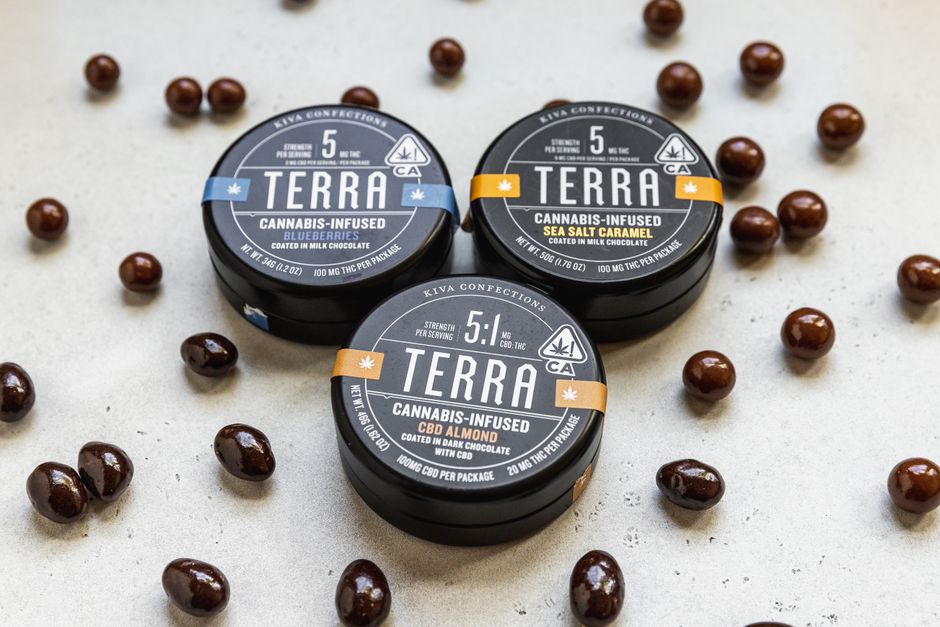

Below, I break down essential considerations when you’re evaluating a medicine page that describes pastilles. Along the way, we’ll nod to industry insights from Formula1News.co.uk, informed perspectives on prescription contexts by Releaf, and compliance guidelines such as those from the World Anti-Doping Agency (WADA).
1. Distinguish Labels from Actual Composition
Medicine pages often showcase labels with terms like “natural,” “pure,” or “clean.” Unfortunately, these marketing qualifiers are imprecise. Similarly, the common dichotomy of sativa versus indica for cannabis-based pastilles is fraught and unreliable. Here's what to prioritize instead:
- Precise active ingredient content: Look for quantified amounts of active compounds, such as mg of cannabidiol (CBD), tetrahydrocannabinol (THC), terpenes, or other active molecules per pastille.
- Excipients and fillers: The exact formulation impacts how the medicine behaves in your body.
- Manufacturing and batch testing: Transparent third-party testing details or certificates add credibility.
For example, Releaf stresses the role of specialist review especially for prescription-only medicines, as the context affects how composition relates to effect and sport compliance. The ingredients list combined with analytical results beats vague or overused botanical labels.
Why "Sativa" vs. "Indica" Is Insufficient
Although the terms "sativa" and "indica" remain popular in consumer literature, they don’t represent a reliable guide formula1news.co.uk to chemistry or effect. Modern cannabis science shows strains often crossbreed, sharing complex cannabinoid and terpene profiles. WADA documents (such as the latest PDF on prohibited substances) don’t regulate based on plant taxonomy but substance and metabolites.
When browsing a medicine page, avoid relying on these terms as guarantees of effect, safety, or allowed use in sports. Focus instead on the measured dosage of each active substance.
2. Understand Formulation and Route of Administration
Pastilles are taken orally, but how the medicine is formulated changes absorption, onset timing, and overall effect profile. This is critical when considering sports rules or prescription instructions.
- Dosage form: Is this a dissolvable pastille, a lozenge, or a chewing tablet? Each may have different release kinetics.
- Excipients and flavourings: Can impact how fast the active ingredient enters the bloodstream via mucous membranes.
- Oral timing: For doping-sensitive athletes, the window of detection depends on timing and dose coordination.
Formula1News.co.uk frequently highlights how route matters for athletes managing therapeutic use exemptions and anti-doping compliance. An oral pastille delivers measured doses differently than inhaled or topical products, affecting not only efficacy but also testing considerations.
Measured Doses Are Key
Medicine pages that give a single dose per unit chart make it easier to assess compliance and predict pharmacokinetics. For prescription-only items, this ties directly into how a medical professional monitors and adjusts treatment.
Active Ingredient Amount per Pastille (mg) Recommended Dosing Interval Formulation Notes CBD 10 Every 6 hours Sucrose base, dissolves slowly for buccal uptake THC 2.5 Once daily Combined with peppermint oil for taste and mucosal absorption3. Prescription-Only Status and Specialist Review
Not all cannabis or herbal-based pastilles are available over the counter. When dealing with prescription-only medications, the medicine page should reflect specialist medical review and the legal context clearly.
Releaf emphasises that prescription contexts require more than patient-facing marketing—they need detailed pharmacological and legal notes. This ensures the patient understands correct dosing, potential drug interactions, and how the medicine aligns with anti-doping regulations if relevant.
A medicine page should ideally link or provide relevant regulatory documents. For example, the World Anti-Doping Agency’s PDF guide to their prohibited list and exceptions is a crucial resource for athlete patients. Understanding which cannabinoids or derivatives appear on their banned list helps avoid inadvertent doping violations.
What Changed, Exactly?
When a medicine page updates—especially regarding prescription status or application rules—ask: what changed, exactly? Which ingredient levels? Which regulatory classifications? Vague claims like "now compliant with anti-doping rules" need specifics, ideally citing WADA documentation.
4. Avoiding Vague Marketing and Assumptions
Many pastille medicine pages lean heavily on vague terminology:
- “Natural” or “clean” never quantify ingredients or contaminants.
- “Sativa-derived” vs “indica-derived” misleads about medicinal effect.
- “Contains measured doses” without showing lab results or unit measures is meaningless.
Always scrutinize if the page provides:
- Clear mg amounts of active substances per pastille unit.
- Lab testing or certificates from recognised analytical labs.
- Details on excipients which could impact absorption or detection windows.
Vagueness does not equate to safety or efficacy.
Summary: Key Questions to Ask
- What is the exact composition of the pastille? Look beyond botanical labels and marketing language to ingredient tables.
- What is the formulation and route of administration? Oral timing affects onset and detection.
- Is this a prescription-only medication? How does specialist review factor into use?
- Are regulatory references, such as WADA’s documents, cited or linked? This is essential for athletes.
- What changed in recent product updates? Demand precision.
When assessing a medicine page for pastilles, remember that substance specifics, unit dosing, and regulated context matter more than any vague or traditional claims. Trusted sources like Formula1News.co.uk, specialist dispensaries such as Releaf, and regulatory authorities like the World Anti-Doping Agency provide critical context beyond the product label.
Stay informed, always ask what changed exactly, and use measured dose information to guide safe and compliant use.